






Alright, F1 fam, buckle up! If you think Formula 1 is just about screaming engines, DRS overtakes, and Max Verstappen memes, you’re missing the juiciest part of the story. Today, we’re diving deep into the real MVP of every Grand Prix: the tyres. Yep, those four black circles are the unsung heroes (and sometimes villains) of every race weekend. Tyre technology and management in F1 is a wild, emotional rollercoaster—full of heartbreak, genius, and a bit of TikTok-level drama. Let’s get into the sticky, melty, and occasionally exploding world of F1 rubber!
- Tyres: The Only Thing Between Glory and Gravel
- The Evolution: From Tyre Wars to the Pirelli Monopoly
- The Science of Grip: Compounds, Construction, and That Magic Window
- Tyre Management: The Real Race Within the Race
- The McLaren Tyre Trick: Phase Change Materials and the “Magic Sponge” 🧽
- Tyre Modelling: The Virtual Revolution
- The Human Element: Drivers, Engineers, and the Tyre Whisperers
- The 2025 Tyre Landscape: Pirelli’s 500th GP and the Road Ahead
- When the Track Fights Back: New Surfaces and Tyre Nightmares
- The Future: Sustainability, Simulation, and the Next Tyre Revolution
- #fyp
Tyres: The Only Thing Between Glory and Gravel
Let’s get one thing straight: tyres are the ONLY part of an F1 car that actually touches the track. Everything else—engine, aero, driver’s wild hair—means nothing if the tyres aren’t happy. As Pirelli’s Mario Isola put it:
One of the most important transfers of technology between Formula 1 and road tyres is the ability to virtualise the tyre and accelerate the development process using simulation. Once you know how to work around certain parameters, you can develop a virtual model that works across several applications.
Mario Isola, Head of F1 and Car Racing for Pirelli
That’s right. In F1, tyres are basically living, breathing creatures. They have moods, they get hot and bothered, and if you don’t treat them right, they’ll ruin your Sunday faster than a Ferrari pit stop.
The Evolution: From Tyre Wars to the Pirelli Monopoly
Let’s throw it back for a sec. There was a time when F1 teams could choose between multiple tyre suppliers—think Bridgestone vs. Michelin, a literal “tyre war.” It was chaos, it was glorious, and it was dangerous. Remember the 2005 US Grand Prix? Michelin teams couldn’t race because their tyres were basically marshmallows on the banking. The FIA said, “Enough!” and by 2007, Bridgestone was the sole supplier. Pirelli took over in 2011 and will keep the gig until at least 2027.
Why the monopoly? Safety, cost, and fairness. No more “my tyre is better than yours” playground fights. Now, everyone gets the same rubber, and it’s up to the teams and drivers to make magic happen.
The Science of Grip: Compounds, Construction, and That Magic Window
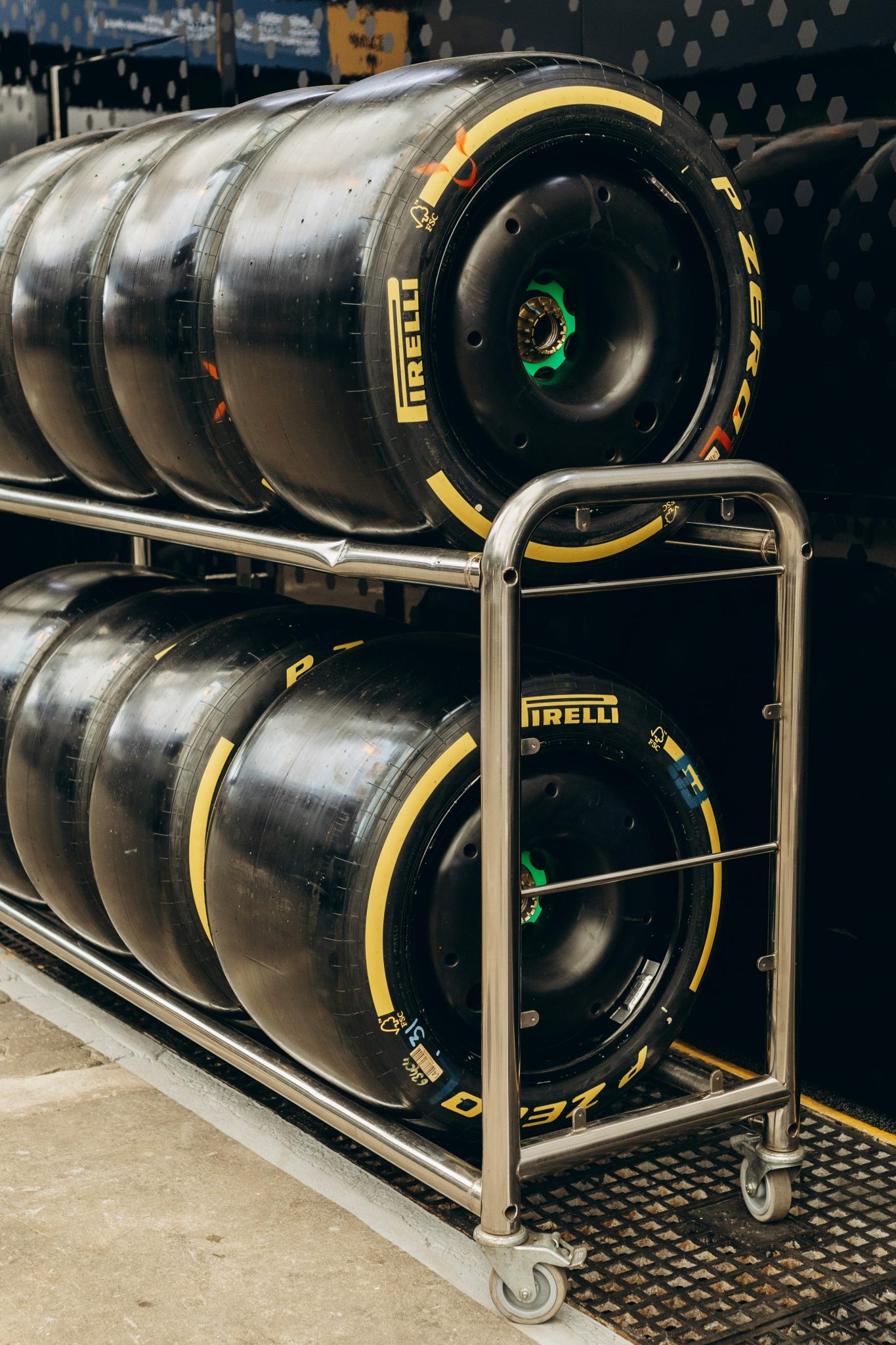
F1 tyres are not just round and black. They’re high-tech, multi-layered, and come in a rainbow of compounds. For 2025, Pirelli’s got six slick compounds (C1 to C6), plus intermediates and full wets. The C6 is the new ultra-soft, perfect for street circuits where grip is life and tyre life is… well, not much.
But here’s the kicker: every compound has a “magic window”—a super-narrow temperature range (like 10-15°C) where grip is maxed out. Too cold? You’re sliding like Bambi on ice. Too hot? The tyres melt, blister, and die a slow, painful death.
Check out this deep-dive on what makes motorsport tyre compounds so special:
What Makes Motorsport Tire Compounds Achieve Extreme Short-burst Grip? (YouTube)
Tyre Management: The Real Race Within the Race
You think the race is about who’s fastest? Nah, it’s about who can keep their tyres alive the longest. Tyre management is the art of balancing aggression and patience—pushing hard enough to be fast, but gentle enough not to cook the rubber.
As the folks at Motorsport Engineer put it:
There is no doubt that tyre management can single-handedly determine the outcome of a race. A driver who can manage their tyres well can gain a significant advantage over their competitors, especially towards the end of a race, when tyre degradation pronounces more aggressively.
Teams use every trick in the book: adjusting camber, tweaking pressures, and even coaching drivers on how to brake, accelerate, and steer to keep the tyres “comfortable.” And don’t forget the weather—track temp, surface, and even humidity can turn a hero into a zero.
The McLaren Tyre Trick: Phase Change Materials and the “Magic Sponge” 🧽
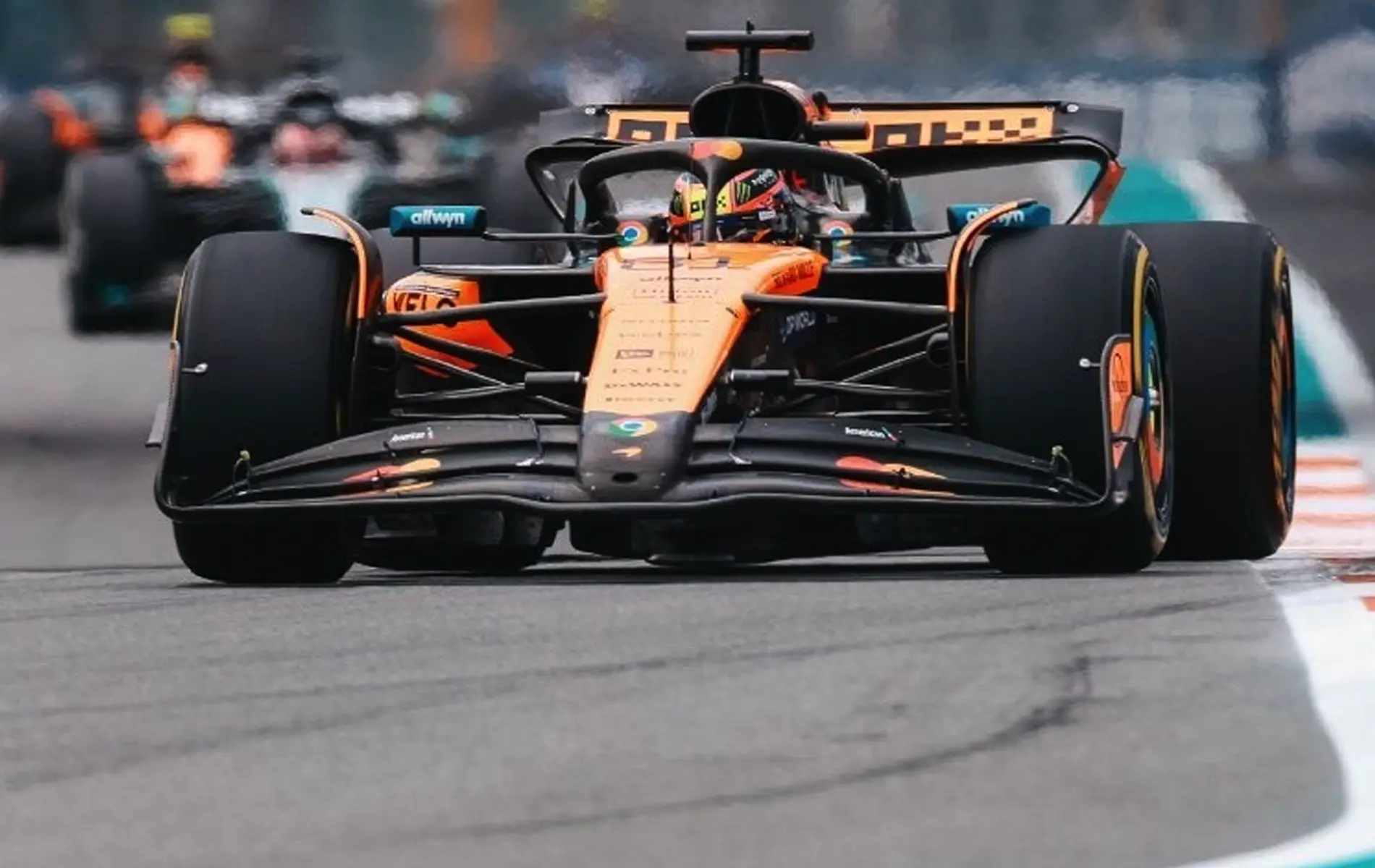
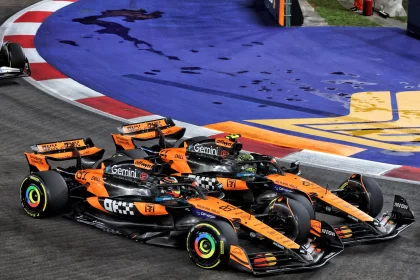
Okay, here’s where it gets spicy. In 2025, McLaren has been baffling the paddock with their tyre management. While everyone else is crying about overheating, McLaren’s tyres are chilling in the perfect window, lap after lap. Red Bull suspects water cooling. McLaren’s response? “Protest us.” (And then they trolled the paddock with a water bottle labeled “tyre water.” Absolute legends.)
So, what’s the secret? Phase change materials (PCMs). These are special materials that absorb or release heat at a specific temperature—like an ice cube that stays at 0°C until it’s melted. McLaren might be lining their wheel drums with PCMs that melt at the exact temp of the tyre’s sweet spot, soaking up excess heat and keeping the rubber happy.
Want the full nerd-out? Watch this:
McLaren’s GENIUS Tyre Trick Explained (YouTube)
And read the breakdown:
McLaren’s “Magic Temperature Sponge”: The Phase Change … (Driver61)
McLaren have demonstrated their superiority on every tyre type. We have a similarly fast car to them only on one lap. McLaren can reproduce that every lap.
Toto Wolff, Mercedes Team Principal
Tyre Modelling: The Virtual Revolution
Modern F1 teams don’t just guess how tyres will behave—they simulate everything. Tyre models are now so advanced they can predict grip, wear, and even how the car will feel to the driver. The classic “Pacejka Magic Formula” is still around, but now teams use crazy complex models that factor in temperature, wear, and even the tiniest changes in track surface.
As explained in the Racecar Engineering article:
Tyres are essential components of a race car, as they are the only direct link between the vehicle and the road. The viscoelastic characteristics of tyre compounds create an optimal window of operating conditions under which the driver can extract maximum performance, and race after race has demonstrated that achieving and maintaining this window is a critical differentiating factor between victory and defeat.
The Human Element: Drivers, Engineers, and the Tyre Whisperers
Let’s not forget the people. Tyre management isn’t just about numbers and models—it’s about feel. Some drivers are tyre whisperers (think Sergio “Checo” Pérez, the king of long stints), while others are tyre destroyers (no names, but you know who they are).
Engineers work hand-in-hand with drivers, feeding them data, adjusting strategies on the fly, and sometimes just telling them to “box, box, box” before the tyres explode. It’s a dance, a battle, and sometimes a therapy session.
The 2025 Tyre Landscape: Pirelli’s 500th GP and the Road Ahead
This year is a big one for Pirelli—they’re hitting their 500th Grand Prix at Zandvoort. That’s half a millennium of F1 races, and the Italian tyre giant is still pushing the envelope. They’ve introduced the new C6 ultra-soft, continued their push for sustainability (hello, FSC-certified tyres!), and are working on even more advanced compounds for the 2026 regs.
Read more about Pirelli’s milestone:
Pirelli Set To Hit 500 Grands Prix Mark At 2025 Formula 1 …
When the Track Fights Back: New Surfaces and Tyre Nightmares
Sometimes, the biggest tyre challenge isn’t the compound—it’s the track itself. Take Monza 2024: new asphalt, crazy grip, and surface temps over 50°C. The result? Massive graining, unpredictable degradation, and engineers pulling their hair out.
As Pirelli’s Simone Berra explained:
The adhesive grip is quite high, so the tarmac is grippy. But, on the other hand, the tarmac is very smooth. The mechanical grip of the tyre is not that high. That [imbalance] is why we are generating this level of graining. The adhesive grip is okay, but the hysteresis grip is not high.
Simone Berra, Pirelli
Teams have to adapt on the fly—sometimes even changing their entire strategy between practice and the race. Welcome to the chaos!
The Future: Sustainability, Simulation, and the Next Tyre Revolution
F1 isn’t just about going fast anymore—it’s about going green. Pirelli’s pushing for sustainable materials, and F1 wants to be Net Zero Carbon by 2030. Tyre tech is at the heart of this, with new compounds, recycling initiatives, and even road car tech trickling down from the track.
And with simulation tech getting crazier every year, we might soon see AI-driven tyre strategies, real-time compound adjustments, and who knows—maybe even self-healing tyres (okay, maybe not, but a guy can dream).
#fyp
Want to go even deeper? Here’s your TikTok-style rabbit hole of links, vids, and must-reads:
- McLaren’s GENIUS Tyre Trick Explained (YouTube)
- What Makes Motorsport Tire Compounds Achieve Extreme Short-burst Grip? (YouTube)
- McLaren’s “Magic Temperature Sponge”: The Phase Change … (Driver61)
- Pirelli Set To Hit 500 Grands Prix Mark At 2025 Formula 1 …
- The Art of Tyre Management: How F1 Teams Push The Limits
- The beginner’s guide to F1 tyres | Formula 1®
- Tech Explained: Formula 1 Tyre Model Development
- The Challenges of Racing on a Brand-New Track Surface
So next time you’re screaming at the TV because your favorite driver’s tyres “fell off the cliff,” remember: behind every lap, there’s a world of science, sweat, and a little bit of black magic. Tyres aren’t just part of the car—they ARE the race.
See you in the pit lane, legends. 🍕🏎️