






Not the asphalt, not the glamour, not even the drivers – the real story is the invisible dance between the car and the air, and how, in two epochal eras, the sport was defined by an almost magical phrase: ground effect. Today, as the 2026 regulations close the door on the latest era of ground effect, it’s time to look back – through the dust, drama, and data – at the rule that changed Formula 1 more than any other.
- The First Revolution: Lotus, Skirts, and the Arms Race
- The Flat Floor Era: Dirty Air and Processions
- The Second Coming: Ground Effect Returns (2022–2025)
- 2026: The End of the Tunnel
- The Numbers Don’t Lie: Overtakes and Competitiveness
- Speed, Safety, and the Price of Progress
- The Eternal Cycle: Innovation, Exploitation, Regulation
The First Revolution: Lotus, Skirts, and the Arms Race
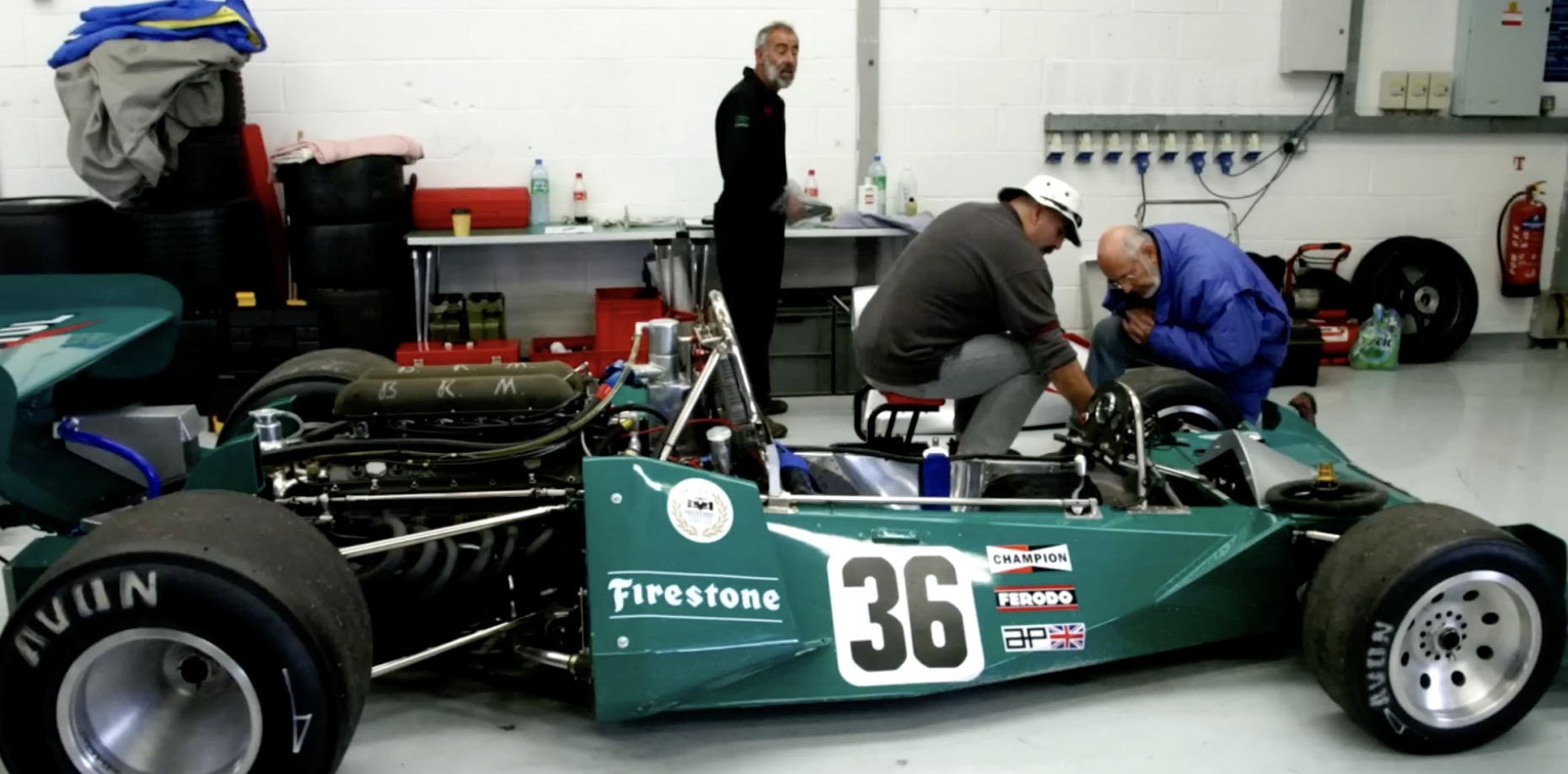
It all began, as it so often does in Formula 1, with a mad genius and a black-and-gold car. In 1977, Colin Chapman’s Lotus 78 appeared with sidepods shaped like airplane wings and rubber skirts that scraped the asphalt. The effect was instantaneous and, for the competition, terrifying: the car was “glued” to the ground, cornering at speeds that made even the bravest drivers blanch.
In 1978, the Lotus 79 was untouchable. Mario Andretti and Ronnie Peterson danced their way to a championship title, while the rest of the grid scrambled to copy the secret. In just two years, every team had a ground effect car, and the arms race began. Skirts became more complex, tunnels deeper, and speeds downright frightening.
But, as always in Formula 1, what goes up must come down. Ground effect cars were fast, but also treacherous. If you lost a skirt or hit a bump, the car went from being glued to the asphalt to uncontrollable in fractions of a second. Incidents followed, and with them, tragedies: Patrick Depailler, Gilles Villeneuve, and others paid the ultimate price.
Ground effect was a double-edged sword. It gave us speed, but it took away our right to make mistakes. One moment you’re a hero, the next – a passenger.
Mario Andretti
In 1983, the FIA said “enough.” Skirts were banned, flat floors were introduced, and the first era of ground effect came to an end. The sport was changed forever – faster, yes, but also more dangerous, and the lessons would echo for decades.
The Flat Floor Era: Dirty Air and Processions
After the end of ground effect, teams turned to wings, bargeboards, and increasingly complex aerodynamic additions to regain lost downforce. The result? Cars that were fast in a straight line but left behind “dirty air,” making it almost impossible for the following car to get close enough to overtake.
The 90s and 2000s became the era of processions. Overtakes dropped to single digits per Grand Prix. The sport, once a gladiatorial battle, became a high-speed parade. Fans and drivers alike demanded change.
The Second Coming: Ground Effect Returns (2022–2025)
Fast forward to 2022. Formula 1, desperate to bring back the magic of wheel-to-wheel battles, brought back ground effect – this time with computers, aerodynamic tunnels, and a mountain of safety data. The new cars featured shaped floors and Venturi tunnels, designed to generate downforce from underneath and reduce the notorious “dirty air.”
The results were instantaneous. Overtakes soared – 785 in 2022, a 46% jump from the previous year. Drivers could follow closer, and races, at least for a while, were electrifying. Mid-pack battles became legendary, and even the leaders had to fight for every inch.
But, as always, teams found the loopholes. Outwash returned as designers found ways to push turbulent air outwards. By 2025, the numbers began to drop again, and complaints intensified. The FIA, the eternal referee in this endless Canadian wrestling match, decided it was time for another restart.
For a detailed analysis of how teams “broke” the ground effect era, watch this video:
How Formula 1 teams broke the ground effect era
2026: The End of the Tunnel
And so, here we are. The 2026 regulations are a reality, and with them, the end of ground effect – again. Venturi tunnels have been removed, replaced with flatter floors and larger diffusers. The cars are lighter, more agile, and, at least in theory, more capable of close racing. Active aerodynamics replace DRS, and power units are now 50/50 between internal combustion engine and electric power, making the cars both more powerful and more complex than ever.
As Esteban Ocon said, with a sigh that could have come from any driver in any era:
It’s a completely different way of driving. I think we can forget everything we’ve learned since karting about how to be fast. We have to learn everything again.
Esteban Ocon
The hope is that these changes will finally solve the enigma that has haunted Formula 1 for decades: how to make cars fast, safe, and capable of close racing, without every Grand Prix turning into a procession.
The Numbers Don’t Lie: Overtakes and Competitiveness
Let’s talk numbers, because in Formula 1, nostalgia without data is just a fairy tale. During the first ground effect era (late 70s – early 80s), overtakes averaged 10–20 per race, but this number decreased with technological development. During the flat floor era (mid-80s – 2021), overtakes dropped below 10 per race in some seasons. The DRS era (2011–2021) artificially boosted statistics, but many overtakes were, let’s face it, as exciting as a tax return.
The 2022–2025 ground effect era brought back true racing, with 35–40 overtakes per race and drivers who could follow closer than ever since the 70s. But as teams found ways to circumvent the system, the numbers began to drop again.
Here’s a brief summary:
| Era | Avg. overtakes/race | Competitiveness notes |
|---|---|---|
| 50s – mid-70s | 20–30+ | High, less aero, more mechanical failures |
| Late 70s – early 80s | 10–20 (decreasing) | Initially good, worsened with ground effect development |
| Mid-80s – 2000s | <10–15 | Low, aero turbulence, procession races |
| DRS era (2011–2021) | 30–50+ | More, but many DRS overtakes |
| Ground Effect (2022–2025) | 35–40+ | Improved, easier following, more genuine overtakes |
Speed, Safety, and the Price of Progress
It’s easy to get lost in the numbers, but the legacy of ground effect is written in blood as well as in ink. The first era brought speed, but also danger. The sudden loss of downforce led to crashes that claimed lives and careers. The modern era, with carbon monocoques and crash structures, is safer, but the specter of risk is never far.
As the sport enters yet another new era, it’s worth remembering that every rule change is a gamble. Sometimes you win – closer races, more excitement, a new generation of heroes. Sometimes you lose – processions, loopholes, and the law of unintended consequences.
The Eternal Cycle: Innovation, Exploitation, Regulation
If there’s one lesson from the history of ground effect, it’s this: Formula 1 is a sport of cycles. Innovation begets exploitation, which begets regulation, which begets new innovation. The ground effect eras – both of them – are proof that no rule is eternal, and no advantage lasts forever.
The 2026 regulations are another attempt to find the golden mean – to give us speed and spectacle, without sacrificing safety or fairness. Will they succeed? If history is any guide, the answer is: for a while. And then, inevitably, the cycle will begin again.